
trenabeeston60
About trenabeeston60
The Enduring Legacy of Gold Coins: A Case Study
Gold coins have been a symbol of wealth, power, and stability for thousands of years. Their history is intertwined with the evolution of currency, trade, and economic systems across various civilizations. This case study examines the significance of gold coins, their historical context, and their ongoing relevance in today’s economy.
Historical Context
Gold coins first appeared around 600 BCE in the ancient kingdom of Lydia, located in what is now Turkey. The Lydians are credited with minting the first standardized coins, primarily made of electrum, a naturally occurring alloy of gold and silver. This innovation revolutionized trade by providing a reliable medium of exchange, allowing for more efficient transactions compared to barter systems.
As civilizations expanded, so did the use of gold coins. The Greeks and Romans adopted and adapted the concept, minting their own coins with intricate designs that often featured deities, rulers, and important symbols. The Roman denarius became a standard currency throughout the empire, facilitating trade across vast distances and contributing to the economic integration of diverse cultures.
During the Middle Ages, gold coins continued to play a crucial role in commerce. European monarchs began issuing their own coins, often with the image of the reigning king or queen, reinforcing their authority and legitimacy. The Florin, minted in Florence, and the Ducat, originating from Venice, became widely accepted trade currencies, establishing Italy as a financial hub of the continent.
The Gold Standard
The 19th century marked a pivotal moment in the history of gold coins with the establishment of the gold standard. Countries began to peg their currencies to a specific amount of gold, providing a stable monetary system that facilitated international trade. The United Kingdom was one of the first to adopt the gold standard in 1821, followed by other nations, including the United States in 1900.

The gold standard instilled confidence in currencies, reducing the risk of inflation and currency devaluation. However, it also created limitations, as countries were constrained by the amount of gold they possessed. The economic turmoil of World War I and the Great Depression led to the abandonment of the gold standard in many countries, resulting in a shift towards fiat currencies, which are not backed by a physical commodity.
The Modern Era of Gold Coins
Despite the decline of the gold standard, gold coins have retained their allure and significance in the modern era. Today, they are primarily viewed as investment vehicles and a hedge against inflation and economic uncertainty. Gold coins, such as the American Gold Eagle, the Canadian Gold Maple Leaf, and the South African Krugerrand, are popular among investors seeking to diversify their portfolios.
One of the key advantages of investing in gold coins is their intrinsic value. Unlike paper currency, which can be printed at will, gold is a finite resource. This scarcity, combined with its historical role as a store of value, contributes to gold’s enduring appeal. Investors often turn to gold during times of economic instability, as it tends to retain its value when other assets falter.
In addition to investment purposes, gold coins are also collected for their aesthetic and historical significance. Numismatics, the study and collection of coins, has gained popularity as enthusiasts seek to acquire rare and unique pieces. Should you have virtually any queries about exactly where as well as how you can employ buynetgold, you are able to email us from the page. Gold coins often feature intricate designs and craftsmanship, making them not only valuable in monetary terms but also as works of art.
Case Study: The American Gold Eagle
The American Gold Eagle is one of the most recognized gold coins in the world. First minted in 1986, it was authorized by the Gold Bullion Coin Act, which aimed to establish a gold coin that would be widely accepted and traded. The American Gold Eagle contains one troy ounce of gold and is produced in various denominations, including half-ounce, quarter-ounce, and tenth-ounce coins.
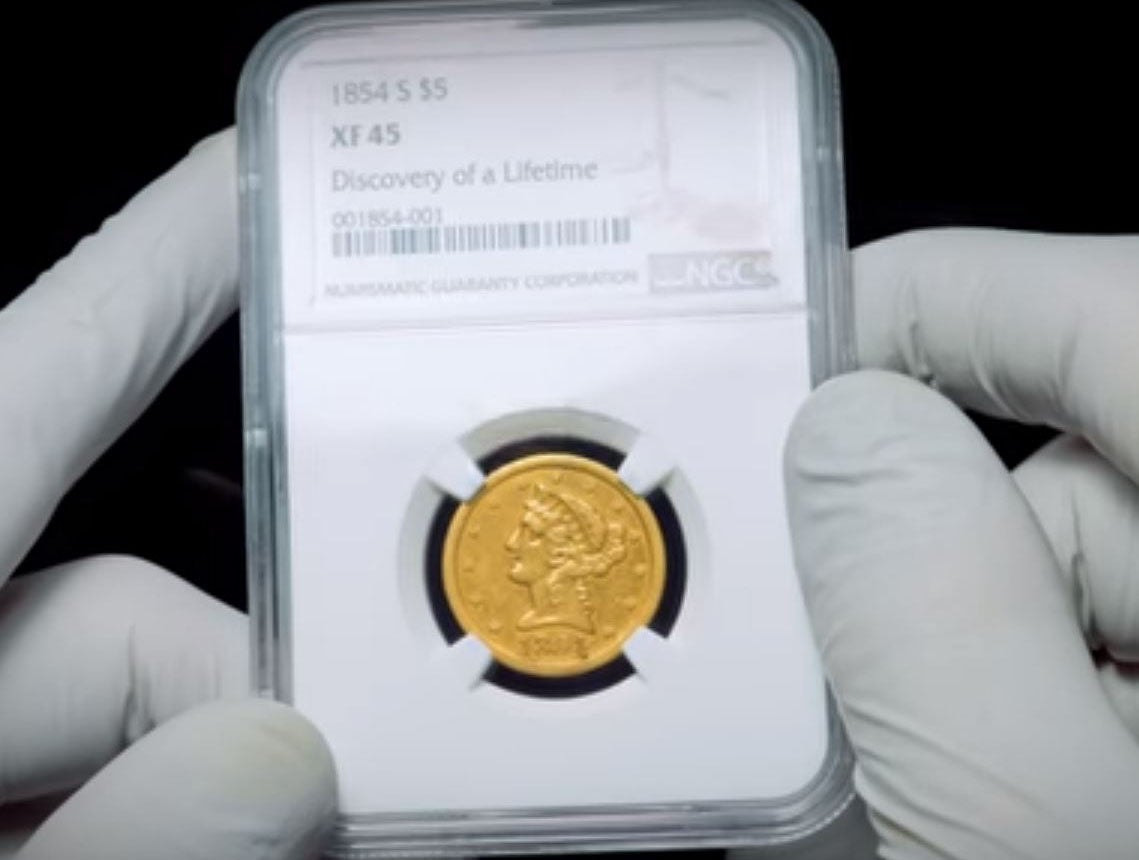
The design of the American Gold Eagle draws inspiration from classic American coinage. The obverse features Augustus Saint-Gaudens’ iconic depiction of Lady Liberty, while the reverse showcases a family of eagles, symbolizing strength and unity. This design not only enhances the coin’s aesthetic appeal but also connects it to American history and values.
Since its introduction, the American Gold Eagle has enjoyed immense popularity among investors and collectors alike. Its status as legal tender, backed by the United States government, adds an additional layer of security for buyers. The coin’s value fluctuates based on the current market price of gold, making it an attractive option for those seeking to invest in precious metals.
The American Gold Eagle has also played a role in promoting gold as an investment. The U.S. Mint has implemented various marketing strategies to educate the public about the benefits of investing in gold coins. This has contributed to a growing awareness of gold as a viable asset class, particularly during periods of economic uncertainty.
Conclusion
Gold coins have a rich and storied history that reflects the evolution of currency and economic systems throughout human civilization. From their origins in ancient Lydia to their modern-day status as investment assets, gold coins have consistently represented wealth, stability, and trust. The American Gold Eagle serves as a prime example of how gold coins continue to adapt to contemporary financial landscapes while retaining their historical significance.
As individuals and institutions navigate the complexities of the global economy, gold coins remain a tangible asset that offers security and value. Their enduring legacy is a testament to humanity’s intrinsic desire for stability and prosperity, ensuring that gold coins will continue to play a vital role in the economic narrative for generations to come.
No listing found.