
fireplace9616
About fireplace9616
The Best Fireplace UK Tricks For Changing Your Life
The Ultimate Guide to Fireplaces in the UK: A Comprehensive Overview
Fireplaces have long been valued as a focal point in British homes, supplying warmth, ambiance, and a touch of classic sophistication. In the UK, where chilly winter seasons are prevalent, a well-designed fireplace can substantially improve both convenience and looks. This guide aims to notify homeowners and lovers about the various types of fireplaces available, their benefits, installation factors to consider, and upkeep practices.
Kinds of Fireplaces
When thinking about a fireplace for your home, it’s vital to understand the numerous types available. Below is a table summarising the most typical types of fireplaces in the UK:
| Fireplace Type | Description | Pros | Cons |
|---|---|---|---|
| Open Hearth | Standard design; features an open flame. | Timeless visual; excellent atmosphere. | Inefficient fuel use; heat escapes. |
| Wood-Burning Stove | Confined style that burns logs or wood products. | Extremely efficient; produces glowing heat. | Requires chimney maintenance. |
| Gas Fireplace | Uses natural gas or lp for fuel; can be vented or vent-free. | Practical; simple to utilize; less maintenance. | Less standard in appearance. |
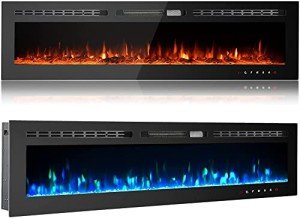
| Electric Fireplace | Uses electricity to produce heat and simulate flames. | Easy installation; no venting required. | May not offer the same warmth. |
| Bioethanol Fireplace | Makes use of bioethanol fuel for a clean flame; freestanding or wall-mounted. | Environment-friendly; no chimney required. | Requires regular refueling. |
The Benefits of Having a Fireplace
-
Ambiance and Aesthetics: A fireplace works as a warm and welcoming centerpiece in any space. It produces a sense of convenience and can be styled to fit numerous interior decorations.
-
Heat Source: Fireplaces can considerably lower heating expenses, especially in colder months. Depending upon the type, they can provide additional heat or serve as a main source of warmth.
-
Energy Efficiency: Modern fireplaces are developed with energy effectiveness in mind. Wood-burning stoves and gas fireplaces, for example, can effectively heat a space without excessive fuel waste.
-
Home Value: A well-installed fireplace can increase the value of a home, making it more appealing to possible purchasers.
-
Versatility: Different types of fireplaces accommodate numerous requirements and preferences, from standard wood-burning choices to contemporary electrical variations.
Installation Considerations
When thinking about setting up a fireplace, a number of elements must be taken into consideration:
-
Local Regulations: Fire security guidelines differ across the UK. House owners ought to contact local authorities before setup to make sure compliance with building regulations.
-
Space and Size: The size of the room and setup space will influence the kind of fireplace that is most suitable. Larger spaces might take advantage of a wood-burning stove, while smaller locations may be perfect for an electric choice.
-
Ventilation: Proper ventilation is necessary for burning fireplaces, especially wood and gas types. Ensure that your home has the necessary flue or chimney system.
-
Fuel Type: Consider what type of fuel is most practical and cost-effective for your scenario. Wood, gas, electrical energy, and bioethanol all have different homes and ramifications for installation and upkeep.
Upkeep of Fireplaces
To guarantee security and efficiency, routine upkeep is vital. Here’s a checklist for best fireplace uk (Click On this website) upkeep:
-
Chimney Sweeping: For wood-burning and gas fireplaces, have the chimney cleaned each year to avoid creosote accumulation, which can cause chimney fires.
-
Inspection: Regularly check the fireplace and chimney for cracks, blockages, and structural integrity.
-
Cleaning up: For electrical fireplaces, dust and clean down surfaces frequently. Gas fireplaces may need cleansing of the burners to make sure optimal performance.
-
Flue Checks: Ensure that flues are clear and in good condition. Blockages can prevent smoke from escaping and present a health risk.
-
Look for Gaps: Seal any spaces around the fireplace to avoid heat loss and guarantee security.
Often Asked Questions (FAQs)
1. How much does it cost to install a fireplace in the UK?
The expense can differ considerably depending on the type of fireplace, materials, and installation intricacy. Standard electrical fireplaces can begin with around ₤ 300, while wood-burning ranges may vary from ₤ 1000 to ₤ 3000, including setup costs.
2. Are electric fireplaces efficient?
Yes, electric fireplaces are rather efficient as they transform almost all their energy into heat. Nevertheless, they might not provide the exact same level of warmth as traditional fireplaces, especially in bigger spaces.
3. Do I require a chimney for a gas fireplace?
Not always. There are vent-free gas fireplaces that do not require a chimney. Nevertheless, vented systems are more common as they expel combustion gases safely outside.
4. How often should I have my fireplace serviced?
It’s suggested to have wood and gas fireplaces serviced yearly, while electric fireplaces might need less regular maintenance.
5. Can I set up a fireplace myself?
While some property owners might feel comfortable with DIY setups, it is typically recommended to hire an expert, specifically for gas and wood-burning models, to make sure safety and compliance with guidelines.
Fireplaces are an essential part of British homes, using warmth, charm, and performance. With a wide array of choices readily available, property owners can select a type that finest suits their requirements, choices, and home designs. By thinking about installation requirements and devoting to regular maintenance, a fireplace can serve as a treasured function for numerous years to come. Whether you choose the crackling of a wood fire or the convenience of electric heat, the ideal fireplace can transform your home into a comfortable retreat in the heart of winter.
No listing found.